Build a Smarter Pantry: The Kirkland Signature Staples Worth the Shelf Space
Let's be honest — walking into Costco without a plan is basically a recipe for a cart full of impulse buys and a freezer you can't close. But if you're building a real, functional kitchen pantry, Kirkland Signature has some genuinely excellent options that can anchor your grocery routine all year long. The key word there is some. Not everything with the KS label is a slam dunk, and this guide is here to help you figure out the difference.
We're breaking this down by category, looking at real cost-per-serving numbers, shelf life, and whether the quality actually holds up against name brands. No fluff, no filler — just a practical breakdown to help you shop smarter.
Oils and Fats: A Clear Win for Kirkland
If there's one category where Kirkland Signature consistently earns its spot in the pantry, it's oils. The Kirkland Signature Extra Virgin Olive Oil is probably the most talked-about value in the whole lineup — and for good reason. At roughly $0.20–$0.25 per fluid ounce (depending on your location and timing), it undercuts most comparable grocery store brands by a significant margin. It's California-sourced, which matters for freshness and traceability, and it holds up well in cooking and finishing applications.
The avocado oil is another strong pick, especially as more home cooks move toward higher smoke-point oils for sautéing and roasting. Costco's version comes in a large format that makes sense if you use it regularly — and at the per-ounce price, it's hard to beat.
Where oils get trickier: specialty options like truffle oil or flavored finishing oils aren't always available, and the bulk format doesn't make sense if you're only cooking for one or two people. For high-turnover staples like EVOO, though? Buy it, use it, repeat.
Spices and Seasonings: Selective, Not Wholesale
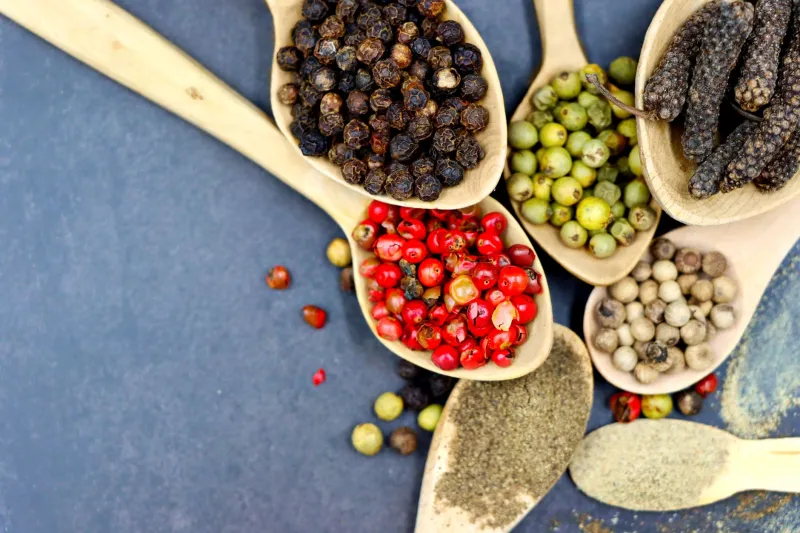
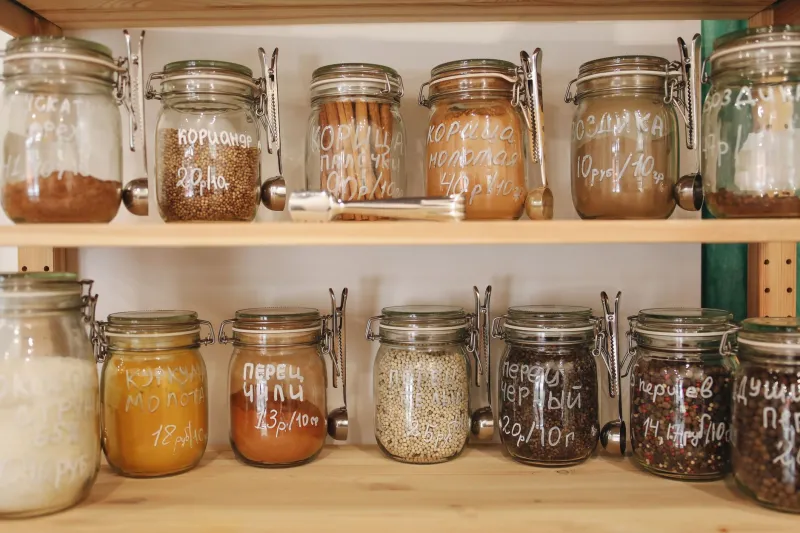
This is where you need to be a little more strategic. Kirkland Signature carries a solid selection of spices, and the organic no-salt seasoning blend has a devoted following among home cooks who use it on everything from eggs to grilled chicken. The value is genuinely good — you're getting a large container for roughly what you'd pay for a much smaller jar at a standard grocery store.
That said, the spice selection at Costco is limited. You're not going to find every spice you need in a KS format, and some of the larger containers can go stale before you use them if you're not cooking in volume. Whole spices like cumin or coriander are better sourced elsewhere in smaller quantities if you're not going through them quickly.
Best bets: garlic powder, onion powder, black pepper, and the seasoning blends. These are high-usage items that justify the larger format and the savings.
Baking Staples: Where Kirkland Pulls Ahead
Home bakers, this section is for you. A few Kirkland Signature baking staples are genuinely excellent values and worth keeping stocked year-round.
- All-purpose flour: The KS version is competitively priced and performs well across breads, cakes, and pastries. If you bake regularly, the 25-lb bag is a no-brainer.
- Baking soda and baking powder: These are commodity items, and Kirkland's pricing reflects that. The cost-per-ounce is lower than most grocery store options.
- Pure vanilla extract: This is one of the best-kept secrets in the Kirkland lineup. A large bottle of pure (not imitation) vanilla extract for a fraction of what you'd pay at a specialty store. If you bake at all, this belongs in your cart.
- Chocolate chips: The Kirkland Signature semi-sweet chocolate chips are a legitimate competitor to Ghirardelli and Nestle. They melt well, taste good, and come in a large bag that's priced to move.
Where baking staples get complicated: specialty flours (almond, oat, gluten-free blends) aren't always available in KS format, and Costco's selection rotates. Stock up when you see what you need.
Canned and Jarred Goods: Reliable and Consistent
Kirkland Signature's canned goods are workhorses. The organic diced tomatoes, chicken broth, and tuna are consistently good quality and priced well below comparable name brands at most supermarkets.
A quick cost-per-serving comparison: Kirkland's organic chicken broth comes in at roughly $0.15–$0.20 per cup, versus $0.30–$0.40 for comparable organic options at a standard grocery store. Over the course of a year, that adds up fast if you're cooking soups, risottos, or braises regularly.
The Kirkland Signature wild-caught salmon in cans is another standout. It's a convenient, protein-rich pantry staple that's reasonably priced and versatile. If you're making salmon patties, pasta, or grain bowls, this is worth keeping on hand.
Where to Look Elsewhere
Not everything KS belongs in your pantry. Specialty condiments, niche international sauces, and anything with a short shelf life or limited use case are probably better sourced at a regular grocery store — where you can buy smaller quantities and actually finish the jar before it goes bad.
Also worth noting: Costco's pantry selection does rotate seasonally and by region. If a product you rely on suddenly disappears, that's just the reality of the Costco model. Build your list around the consistent year-round staples, and treat the rotating items as a bonus.
The Bottom Line
Building a smarter pantry with Kirkland Signature is really about identifying the high-frequency, high-value items that make sense in bulk. Oils, baking staples, canned goods, and a handful of spice blends — these are the categories where KS genuinely earns its place on your shelf. For everything else, shop around.
The goal isn't to buy everything at Costco. It's to buy the right things at Costco — and let the savings compound over time.