Kirkland Signature Products That Didn't Make the Cut — and What Costco Learned From Them
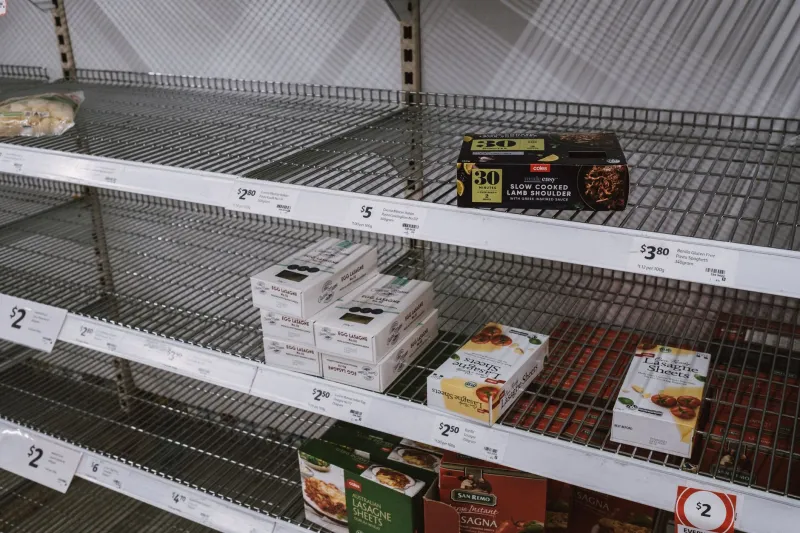
Kirkland Signature has a reputation for knocking it out of the park — and for good reason. The brand's hit list is long and impressive. But here's the thing about batting averages: even the best hitters strike out sometimes. Costco has quietly discontinued more Kirkland Signature products over the years than most members are aware of, and the stories behind those removals are surprisingly revealing.
Understanding what didn't work tells you just as much about Kirkland Signature as knowing what did. So let's dig into some of the brand's notable stumbles, explore why certain products got the axe, and talk about what those lessons mean for what's sitting on shelves right now.
How Costco Decides What Lives and What Goes
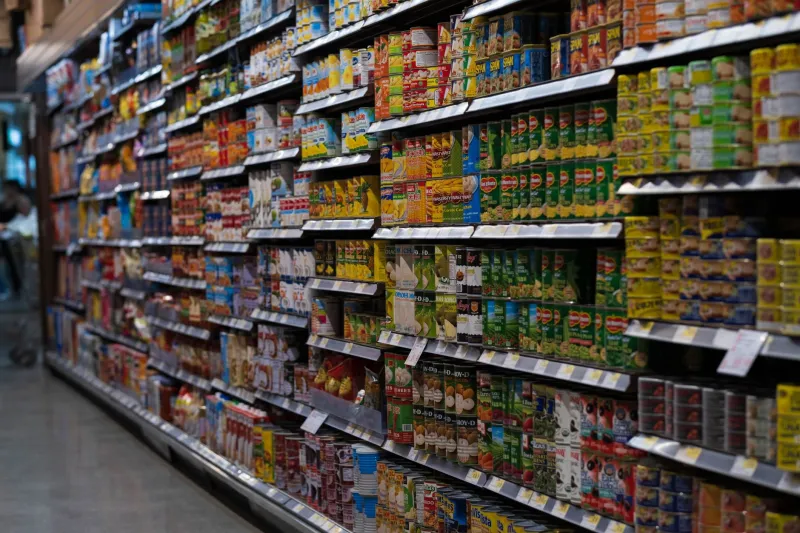
Before getting into specific products, it helps to understand how Costco approaches its inventory in the first place. Unlike a traditional grocery store that might carry 30,000 to 50,000 SKUs, Costco intentionally keeps its selection lean — usually somewhere around 3,700 to 4,000 items at any given time. Every product on the floor is fighting for limited real estate.
For Kirkland Signature specifically, the bar is even higher. The private label is meant to represent Costco's stamp of approval — a signal to members that the product is worth their money and their cart space. When something underperforms, whether through sluggish sales, quality complaints, or poor member feedback, it tends to disappear without much fanfare.
Costco doesn't typically issue press releases about discontinuations. Products just quietly vanish, which is part of why this side of the Kirkland story gets so little attention.
Food Items That Didn't Find Their Audience
Food is where most of Kirkland's discontinued experiments live, and it's not hard to see why. Taste is deeply personal, bulk sizing limits the audience to households that can actually get through large quantities, and trends shift faster than Costco's supply chain can always accommodate.
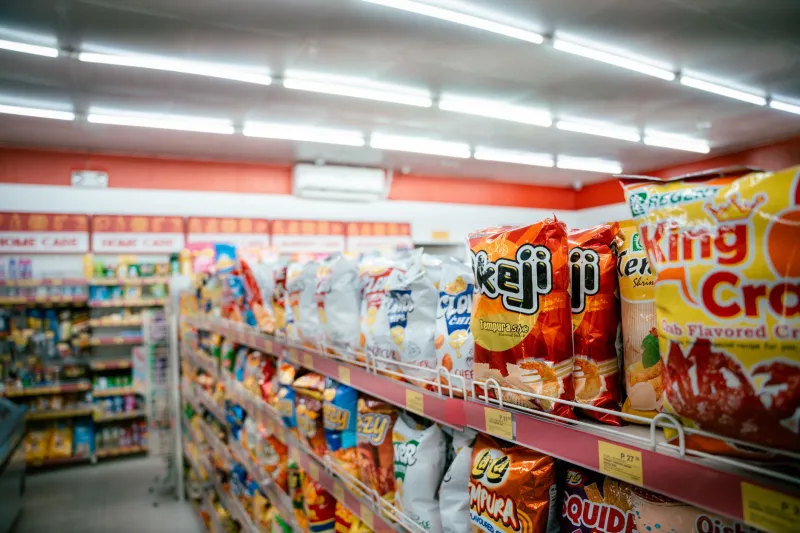
One example that longtime members occasionally bring up is Kirkland Signature's foray into certain specialty snack categories. Items like flavored popcorn varieties and niche cracker assortments have come and gone over the years. The issue wasn't always quality — sometimes the product was perfectly decent — but the format didn't fit. When you're selling snacks in warehouse quantities, you need broad appeal. A niche flavor profile that works at a small-batch artisan brand doesn't necessarily translate when you need to move pallets of the stuff.
Some Kirkland beverage experiments have also hit dead ends. Certain flavored water lines and specialty drink products launched with enthusiasm but faded when member reorder rates didn't justify continued shelf space. In the warehouse model, a product that people buy once and don't come back for is essentially a failure, regardless of initial sales numbers.
Non-Food Experiments That Missed the Mark
Kirkland Signature has ventured into some unexpected non-food categories over the years, and not all of them stuck around. Certain apparel items, electronics accessories, and personal care products have cycled in and out of the lineup as Costco tested what members were actually willing to reach for.
The challenge with non-food Kirkland items is that the trust transfer from, say, coffee or olive oil doesn't always carry over cleanly into categories like clothing or tech. Members who happily grab Kirkland batteries without a second thought might hesitate when the label shows up on a more considered purchase. When those items don't move at the rate Costco needs, they get cut.
Some seasonal Kirkland items — particularly in the holiday and gifting space — have also had limited runs that didn't get renewed. Specialty gift sets and limited-edition products sometimes perform well in year one and then taper off as the novelty wears off, which is enough for Costco to redirect that shelf space.
What Member Feedback Actually Does
Costco takes member feedback seriously, though the process is less formal than you might expect. There's no official public review system for Kirkland products in the way you'd find on Amazon. Instead, Costco relies on a combination of sales data, return rates, and the feedback it collects directly from members — including through its member satisfaction surveys and in-warehouse interactions.
High return rates are particularly telling. Costco's generous return policy is a member benefit, but it also functions as a quality signal. If a product is coming back to the warehouse at an unusual rate, that's a red flag that shows up quickly in the data. Products with elevated returns don't tend to last long in the Kirkland lineup.
By contrast, products with strong reorder patterns — meaning members come back for them again and again — earn their place on the shelf almost indefinitely. This is why certain Kirkland staples have been around for decades with minimal changes. The data consistently backs them up.
What Current Products Might Be at Risk
Based on the patterns behind past discontinuations, there are a few types of products that tend to be more vulnerable than others.
Trend-dependent items are always a question mark. Kirkland products that rode a wave of consumer interest — certain health foods, diet-specific products, or items tied to a particular lifestyle trend — can struggle when the trend fades. If a product's appeal is tied to something culturally specific rather than broadly functional, its shelf life is less certain.
Niche-format products face similar challenges. Items that require a very specific type of household to get full value from them — unusual appliances, highly specialized pantry ingredients, or products with a steep learning curve — tend to underperform in a warehouse setting where the audience is broad and the format is bulk.
Category newcomers are also worth watching. When Kirkland Signature enters a new product category for the first time, it's essentially running a test. Some of those tests pass; others don't. Members who notice a brand-new Kirkland item in an unfamiliar category should enjoy it while it lasts — and pay attention to whether it shows up again the following season.
The Silver Lining in Every Flop
Here's the thing about Costco's discontinued products: they're evidence that the system is working. Costco isn't keeping underperforming items on shelves out of inertia or because a vendor has a strong relationship with a buyer. When something isn't earning its place, it goes — and that discipline is part of what keeps the Kirkland Signature lineup as strong as it is.
Every product that gets cut makes room for something that might perform better. And every discontinuation feeds data back into Costco's development process, helping the team understand what members actually want versus what sounds good in theory.
So the next time a Kirkland product you liked disappears without warning, take some comfort in knowing that its replacement probably went through a rigorous process before landing on the shelf. That's how the brand keeps its batting average high — even if it occasionally strikes out.