Kirkland's Premium Tier, Examined: Where the Upgrade Is Worth Every Penny (and Where It Isn't)
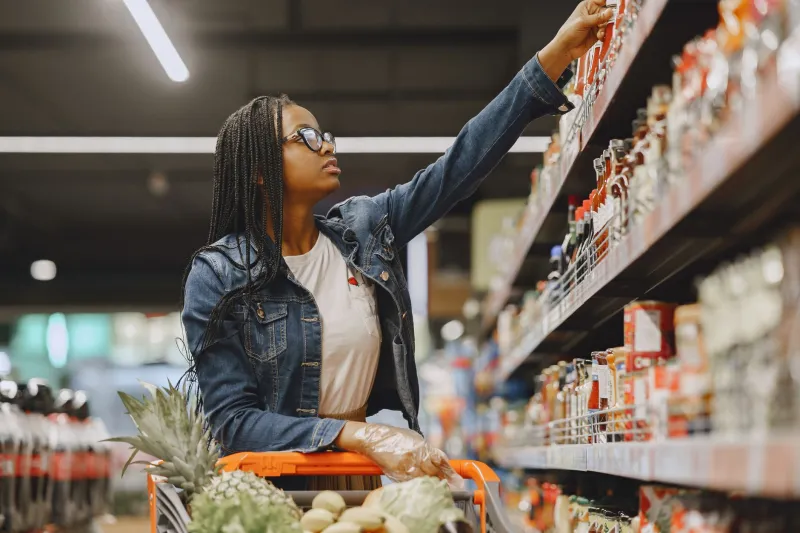
Spending more to get more makes sense — in theory. In practice, "premium" is one of the most abused words in retail. Slap it on packaging, nudge the price up, and a meaningful percentage of shoppers will assume they're getting something better. Kirkland Signature isn't immune to this dynamic, and neither are the members who love the brand.
Costco has developed what amounts to a tiered system within the Kirkland lineup. Some products are clearly positioned as everyday value items. Others carry higher price tags, more elaborate packaging, and implicit promises of superior quality. The question worth asking — and answering honestly — is which of those promises hold up.
What "Premium Kirkland" Actually Means
First, some clarity on what we're actually comparing. Within Kirkland Signature, the premium tier shows up in a few distinct ways:
- Organic versions of standard products (organic olive oil vs. conventional, organic chicken broth vs. regular)
- Reserve or aged designations on food and beverage items (Reserve-labeled wines, aged cheeses)
- Higher-specification versions of standard items (extra virgin vs. pure olive oil, wild-caught vs. farmed salmon)
- Specialty or small-batch positioning on items like coffee, chocolate, and nuts
In each case, the premium version costs more. The question is whether that premium is justified by actual quality differences or whether it's positioning dressed up as performance.
Where the Upgrade Genuinely Pays Off
Extra Virgin Olive Oil vs. Pure Olive Oil
This is one of the clearest cases where spending more makes sense. Kirkland's extra virgin olive oil — particularly the organic California-grown version — is a legitimately high-quality product that would cost significantly more at a specialty grocery store. The flavor difference between EVOO and pure olive oil is real and measurable in cooking. If you're using olive oil as a finishing oil or in dressings, the upgrade matters. Cost-per-ounce analysis consistently shows Kirkland's EVOO is priced well below comparable quality products at conventional retailers.
Wild-Caught Salmon vs. Farmed
The price gap between Kirkland's wild-caught Alaskan sockeye and farmed Atlantic salmon is noticeable, and for most shoppers, it's worth it. Wild-caught sockeye has a firmer texture, richer flavor, and a nutritional profile that's meaningfully different from farmed alternatives. This isn't marketing — it's biology. If salmon is a regular part of your diet, the wild-caught upgrade delivers real value beyond the label.
Kirkland Signature Organic Chicken Broth
The organic version of Kirkland's chicken broth costs a bit more, but the ingredient quality and flavor depth are noticeably better. For applications where broth is a background ingredient, the difference is minimal. For soups or sauces where it's a primary flavor component, the upgrade is worth it. Cost-per-use analysis makes this an easy yes for regular soup makers.
Reserve-Labeled Wines
Kirkland's Reserve wine selections are sourced from better vineyards and generally represent genuine quality improvements over the standard Kirkland wine lineup. Wine is inherently subjective, but the Reserve designations have earned positive attention from wine-focused reviewers who aren't inclined to give Costco's label unearned credit. If wine matters to you, this is one of the more honest premium tiers in the Kirkland lineup.
Where the Premium Isn't Earning Its Keep
Organic Versions of Heavily Processed Items
Here's where things get murky. Kirkland's organic certification on certain snack items and packaged goods sounds impressive, but organic labeling on highly processed products is largely a marketing exercise. Organic cookies are still cookies. Organic crackers are still crackers. The health and quality benefits of organic certification are most meaningful in produce and animal products — not in items where the ingredient list includes a dozen components anyway.
If you're buying organic Kirkland snacks because you believe they're meaningfully healthier or better-tasting than the standard versions, that's worth reconsidering. The price difference often reflects the higher cost of organic ingredients rather than any perceptible quality improvement in the final product.
Kirkland Signature "Gourmet" Chocolate
Kirkland periodically carries chocolate products positioned at the higher end of their lineup. Some of these are genuinely good. But "gourmet" as applied to bulk chocolate at a warehouse club is doing a lot of work. In blind taste tests, the quality gap between Kirkland's premium chocolate and their standard offerings is smaller than the price gap suggests. Chocolate quality is real and worth paying for — but the specific premium Kirkland charges for its top-tier chocolate options doesn't always match what's in the bar.
Specialty Coffee Blends vs. Standard Kirkland Coffee
Kirkland's standard whole-bean coffee, particularly the Colombian and House Blend options, represents excellent value. The specialty or single-origin offerings cost considerably more per pound. For dedicated coffee drinkers who can genuinely taste the difference between origins and roast profiles, the upgrade has merit. For the average household that runs a drip machine every morning, the price-per-cup difference is real money for a quality difference that's minimal in practice. Be honest with yourself about which category you're in.
A Framework for Making the Call
When you're standing in the warehouse trying to decide whether the premium version of a Kirkland product is worth it, a few questions help cut through the noise:
-
Does the quality difference show up in the final product? Extra virgin olive oil tastes different. Organic crackers don't taste different. Ask whether the upgrade changes what you actually experience.
-
What's the cost-per-use gap? A $4 difference on a product you'll use 50 times is $0.08 per use. A $4 difference on something you'll use twice is $2 per use. Do the math before deciding it's "not that much more."
-
Is the premium designation verified by something external? USDA Organic, wild-caught certification, and USP verification are real. "Gourmet" and "reserve" are marketing terms that deserve more scrutiny.
-
Would you buy this at a specialty retailer? If the premium Kirkland version is still cheaper than what you'd pay at Whole Foods or a specialty shop for comparable quality, the upgrade is probably legitimate.
Kirkland Signature's premium tier is real in some categories and aspirational in others. The brand is trustworthy enough that it rarely crosses into outright deception — but it's a business, and businesses charge what the market will bear. Knowing which upgrades are genuine is how you get the most out of a membership that's already working hard for your household budget.