How Kirkland Signature Forced the Entire Grocery Industry to Play a Different Game
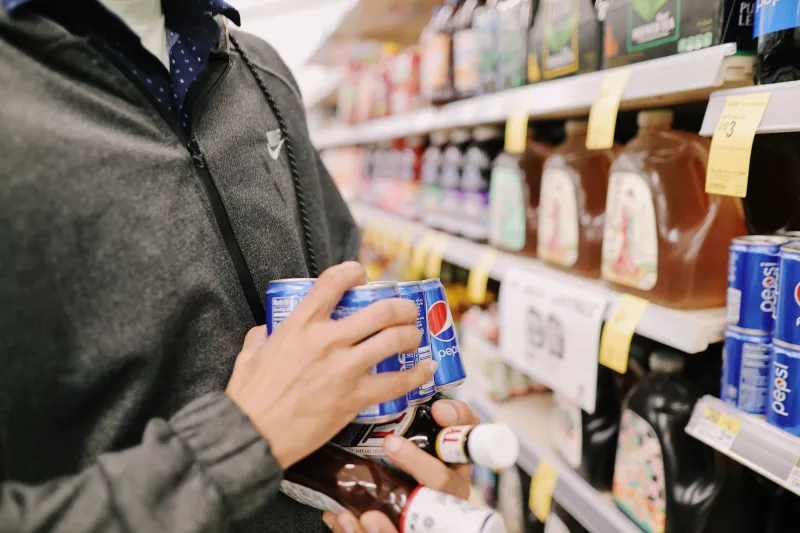
For decades, the conventional wisdom in American grocery retail was pretty straightforward: national brands owned the shelf. They had the advertising budgets, the brand recognition, and the consumer trust. Store brands — or "private labels," if you want to sound like a retail analyst — were the budget option. The fallback. The thing you bought when money was tight and you didn't care much about the result.
Then Costco came along and quietly blew that entire framework apart.
Kirkland Signature, Costco's house brand, has grown into something the grocery industry genuinely wasn't prepared for. It's not just popular — it's preferred. And that preference, built over years of consistent quality and aggressive pricing, has sent ripple effects through the entire consumer packaged goods world. Major brands that once felt untouchable are now rethinking everything from their price points to their product formulations. All because of a label with a simple blue-and-white design.
The Numbers That Made the Industry Nervous
Let's start with the scale, because it's genuinely hard to overstate. Kirkland Signature generates well over $50 billion in annual sales, a figure that would make it one of the largest consumer brands in the United States if it were a standalone company. That's not a niche product line quietly doing okay in the background — that's a market force.
What makes those numbers particularly alarming for national brands is where that money is coming from. Kirkland Signature doesn't just attract budget-conscious shoppers. Costco's membership model skews toward higher-income households, which means the people choosing Kirkland over name brands aren't doing it because they can't afford the alternative. They're doing it because they genuinely believe Kirkland is the better buy — or in many cases, the better product outright.
Retail analysts have been watching this shift for years, and the consensus is that Kirkland represents something qualitatively different from traditional private label competition. "Most store brands compete on price," one retail strategy consultant put it plainly. "Kirkland competes on value, and those aren't the same thing. Price is what you pay. Value is what you get. Kirkland has convinced shoppers — correctly, in a lot of categories — that the gap in quality between their products and the national brand simply isn't worth the premium."
What National Brands Are Actually Doing About It
The response from major consumer packaged goods companies has been varied, sometimes contradictory, and almost always expensive.
Some brands have leaned harder into what Kirkland can't replicate: marketing, emotional storytelling, and brand heritage. If you've noticed that certain household name brands have ramped up their advertising spend or launched aggressive loyalty programs in recent years, Kirkland's growth is at least partially why. The logic is that if you can't compete on price or even quality in a head-to-head comparison, you compete on the intangible stuff — the nostalgia, the familiarity, the feeling of buying something you grew up with.
Other companies have taken a more direct approach and quietly reduced their own prices or introduced "value tier" product lines designed to close the gap. This is a more defensive play, and it's a tricky one, because cutting prices without cutting costs means eating into margins. Several major food conglomerates have acknowledged in earnings calls — usually in carefully worded language — that private label competition is putting pressure on their pricing power in ways that weren't true five or ten years ago.
Then there's the strategy that nobody talks about publicly but everyone in the industry knows is happening: some national brands make Kirkland products. The relationship between Costco and its manufacturing partners is famously confidential, but it's an open secret that several well-known companies produce goods that end up under the Kirkland Signature label. This creates a genuinely strange competitive dynamic where a brand might be competing against a product it's also manufacturing.
The Consumer Behavior Shift That's Hard to Reverse
Beyond the corporate strategy maneuvering, what's really changed is something more fundamental: how American consumers think about brand names in the first place.
For generations, the brand on the label served as a quality signal. You paid more for Tide because Tide meant clean clothes. You bought Hellmann's because Hellmann's meant good mayo. The brand was doing cognitive work for the consumer — it was a shortcut that said "this product is reliable and worth the premium."
Kirkland Signature has systematically eroded that shortcut, at least among Costco's membership base. When you buy Kirkland coffee and it's excellent, or Kirkland olive oil and it's legitimately comparable to premium imported brands, you start to question the value of the brand signal more broadly. Consumer behavior researchers call this "private label credibility transfer" — once a shopper has a genuinely positive experience with a private label in one category, they become more willing to try it in others, and more skeptical of national brand premiums across the board.
This is the part that keeps brand managers up at night. It's not just that Kirkland is winning individual category battles. It's that Kirkland is changing the mental model shoppers use to evaluate purchases — and that's a much harder thing to compete against.
What This Means for the Future of Grocery Shopping
The trajectory here seems pretty clear, even if the specifics are hard to predict. Private label products, led by Kirkland Signature's example, are going to keep gaining share in American grocery retail. Other retailers — Target with Good & Gather, Amazon with its various house brands, Trader Joe's with its entire store model — are all studying what Costco has built and trying to replicate it.
For shoppers, this is largely good news. More competition at the private label level means national brands have to work harder to justify their prices, which benefits consumers whether they're buying the store brand or not. The pressure Kirkland puts on Procter & Gamble or General Mills or Kraft Heinz ultimately makes the whole market more competitive.
For national brands, the calculus is more complicated. The companies that will fare best are probably the ones that lean into genuine differentiation — products that are actually difficult to replicate, or brands with authentic stories that consumers genuinely connect with. The ones that will struggle are the ones relying on inertia and shelf placement to justify premiums that Kirkland has made harder and harder to defend.
And for Costco? Kirkland Signature has become something that goes well beyond a product line. It's a core part of why people pay that annual membership fee, why they make the trip to a warehouse store instead of ordering online, and why Costco's customer loyalty numbers look the way they do. Kirkland isn't just competing with national brands anymore — it's become one of the most powerful brand assets in American retail, full stop.
The grocery industry spent decades underestimating what a private label could become. Kirkland Signature made sure they won't make that mistake again.