Gone Without Warning: The Real Story Behind Kirkland Signature Discontinuations and the Members Who Never Saw It Coming
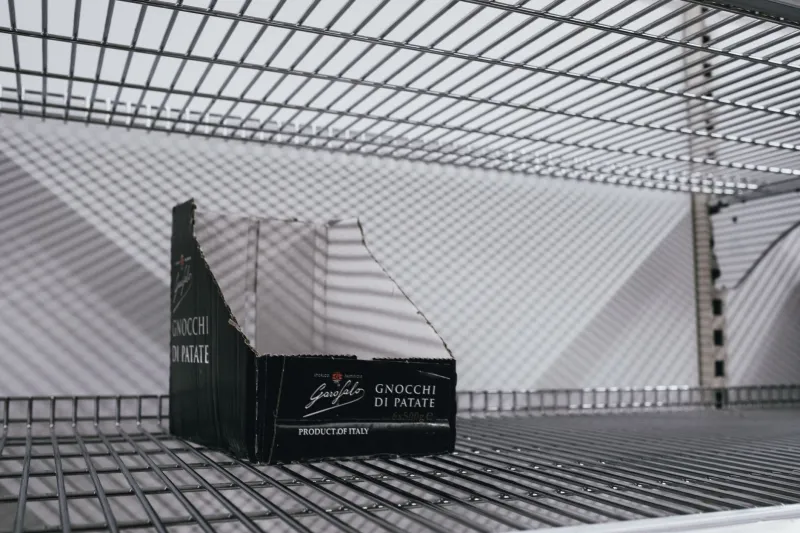
It starts with a routine Costco trip. You round the corner to grab your usual box of Kirkland Signature chocolate chunk cookies, or that particular blend of coffee you've been buying for three years, and the shelf is just... different. Something else is there now. You double-check your list. You ask an employee. And then comes the sentence no Costco member wants to hear: "Yeah, we don't carry that anymore."
For a brand with the kind of loyalty Kirkland Signature commands, discontinuations hit surprisingly hard. And they happen more often than most members realize.
The Emotional Equation of a Discontinued Favorite
There's something uniquely frustrating about losing a Kirkland Signature product. It's not like a restaurant taking an item off the menu — you've likely been buying this thing in bulk, building meals and routines around it, and probably recommending it to friends. When Costco pulls the plug, it doesn't just inconvenience you. It disrupts a system you built.
Members on Reddit's r/Costco forum are vocal about this. Threads mourning discontinued Kirkland items — the Kirkland Signature Chunky Salsa, the Mango Salsa, the Greek Yogurt Parfaits — regularly rack up hundreds of comments from people who describe the loss with genuine disappointment. One user described hunting for the Kirkland Signature French Roast in its original formulation like "grieving something that shouldn't matter this much, but absolutely does."
That reaction isn't irrational. It reflects how deeply Kirkland Signature has embedded itself into the way American households shop and eat.
How Costco Actually Decides to Cut a Product
Costco doesn't publish a formal discontinuation policy, but the decision-making process isn't entirely opaque if you pay attention to how the company talks about its business model.
At its core, Costco operates on ruthless simplicity. The average Costco warehouse carries somewhere around 3,700 to 4,000 SKUs — a fraction of what a traditional grocery store stocks. That constraint is intentional. Every product on the floor has to earn its spot through velocity: how fast it moves, how consistently it moves, and whether its margin justifies the warehouse real estate it occupies.
For Kirkland Signature products specifically, the bar is arguably higher. The brand exists to offer quality that rivals or beats national names at a lower price point. If a Kirkland product stops delivering on either side of that promise — whether because supplier costs spike, quality becomes harder to maintain at scale, or member demand quietly softens — it becomes a candidate for removal.
Seasonal products get cut and rotated as a matter of course. But the discontinuations that sting are the year-round staples that vanish without explanation. Those tend to follow a few recognizable patterns.
The Patterns Behind Which Products Are Most at Risk
Not every Kirkland Signature item carries the same survival odds. A few factors seem to consistently put products on the chopping block.
Niche appeal in a volume-driven environment. Costco's model demands broad popularity. A Kirkland product that's beloved by a passionate minority but ignored by the majority is a liability. The warehouse can't afford to dedicate shelf space to something that only resonates with 15% of its membership, no matter how loudly that 15% advocates for it.
Supplier relationship changes. Many Kirkland Signature products are manufactured by major national brands under a private label arrangement. When those relationships shift — due to contract renegotiations, production capacity issues, or the national brand deciding the arrangement no longer serves its interests — Costco may lose the ability to produce the item at the quality and price point that made it viable.
Reformulation fallout. Sometimes a product doesn't disappear entirely but changes enough that loyal buyers stop purchasing it. If sales dip post-reformulation, the product enters a vulnerable phase. Costco watches those numbers closely.
Seasonal items that underperform. Limited-time Kirkland products that don't hit internal sales targets rarely get a second run. The "Kirkland Signature [seasonal item] is back!" posts on social media are often followed, a year or two later, by "does anyone know why they stopped carrying it?"
Real Member Experiences: The Ones That Still Sting
The Kirkland Signature Organic Chicken Broth reformulation is a case study in how quickly member sentiment can sour. For years, shoppers praised it as a pantry staple that outperformed national brands at a fraction of the cost. When the flavor profile shifted, message boards lit up. Some members switched to a competing brand entirely — not just for broth, but as a general expression of lost trust.
The Kirkland Signature Mango Habanero Salsa has its own dedicated fan base of mourners who still mention it in discontinued product threads years after it disappeared. Same with the Kirkland Signature Premium Chocolate Covered Almonds in their original form. These aren't obscure products — they were items people planned shopping trips around.
What's notable is that Costco rarely offers official explanations. The company's communication style around discontinuations is almost deliberately minimal. An item is there, and then it isn't. That silence, more than the loss itself, tends to amplify member frustration.
Is There Anything Members Can Actually Do?
Short answer: not much, but not nothing.
Costco does have a member feedback mechanism, and the company pays attention to purchasing data. If a discontinued item had strong sales before it was pulled, there's a real (if slim) chance it returns — sometimes in a modified form, sometimes as a seasonal reintroduction. The Kirkland Signature Pumpkin Pie is a good example of how a limited seasonal item can become a near-permanent fixture when demand is loud and consistent enough.
Some members have had success flagging discontinued products through Costco's member services line or feedback portal. It's not a guaranteed path back to the shelf, but it does contribute to the data Costco uses when evaluating whether a product has a future.
The more practical move? When you find a Kirkland Signature product you genuinely love, stock up. Costco's own model encourages bulk buying, and for good reason — warehouse inventory is never guaranteed. Treats yourself like a prepper when it comes to your favorite Kirkland staples. It sounds excessive until the day the shelf is bare.
What Discontinuations Actually Tell Us About the Brand
Here's the counterintuitive take: the fact that Costco discontinues Kirkland Signature products is part of what makes the brand work.
The willingness to cut underperformers — even beloved ones — is the same discipline that keeps the overall quality of the Kirkland line high. Costco isn't sentimental about shelf space. It's protective of its reputation. When a product no longer meets the standard, removing it is arguably more brand-consistent than keeping it around and letting it drag down member expectations.
That's cold comfort if your favorite salsa just disappeared. But it does help explain why, across the full Kirkland Signature catalog, the hit rate remains impressively high. The brand's willingness to make hard calls is, in a strange way, a feature — even when it feels like a bug.
So the next time you find a Kirkland Signature product that earns a permanent spot in your cart, enjoy it while it's there. And maybe grab an extra case, just in case.